Loading..

Anaesthesia & Surgery : What Every Pet Owner Should Know

Anaesthesia & Surgery : What Every Pet Owner Should Know

For many pet owners, the word “anaesthesia” causes more anxiety than the procedure itself. That reaction is understandable. Anaesthesia temporarily changes a pet’s level of consciousness and normal protective responses, so it requires planning, monitoring and trained veterinary supervision. At the same time, anaesthesia makes many important procedures possible. It allows a pet to remain still and unaware while the veterinary team performs surgery, dental treatment or certain diagnostic procedures without the fear, stress and pain that would otherwise occur.

What Is General Anaesthesia?

General anaesthesia is a medically controlled state in which a patient is unconscious and does not consciously experience the procedure. Veterinary anaesthesia is not a single injection that is identical for every animal. The drugs, doses, airway management, fluids, pain-control plan and monitoring approach can be adjusted according to the patient and procedure. Sedation is different from general anaesthesia. A sedated pet may be very relaxed or sleepy but is not necessarily fully unconscious. Your veterinarian decides which approach is appropriate for the procedure and your pet’s health.

Why Might My Pet Need Anaesthesia?

Anaesthesia may be required for soft-tissue surgery, orthopaedic procedures, spay or neuter surgery, dental procedures, wound management and other interventions where movement, discomfort or stress would make treatment unsafe or impractical. In some cases, sedation or anaesthesia is also needed to obtain high-quality diagnostic information safely.

Is Anaesthesia Safe for Dogs and Cats?

No anaesthetic procedure can be described as completely risk-free. Risk varies according to factors such as a pet’s age, overall health, underlying disease, the urgency and length of the procedure, and the type of anaesthesia required. The purpose of pre-anaesthetic assessment and monitoring is to understand those risks as well as possible and manage the patient appropriately. An older pet is not automatically “too old” for anaesthesia, and a young pet is not automatically risk-free. The more useful question is whether the expected benefit of the procedure justifies the individual risk and what steps can be taken to reduce avoidable risk. That discussion should happen with the veterinarian who has examined your pet.

What Happens Before Anaesthesia?

Before anaesthesia, the veterinary team reviews relevant history and performs an assessment of the patient. Depending on the situation, blood testing or other diagnostics may be recommended to provide additional information about health before the procedure. Tell your veterinarian about medications and previous reactions Bring an accurate list of medications, supplements and preventatives your pet receives. Tell the team if your pet has previously had an unusual reaction during sedation or anaesthesia, or if there have been recent changes in breathing, appetite, energy, urination, vomiting or diarrhoea. Follow the clinic’s fasting instructions Fasting instructions are given for a reason, but they are not identical for every patient. Young animals, pets with certain medical conditions and animals undergoing particular procedures may receive different instructions. Follow the plan supplied by your clinic and call if you are unsure.

How Is a Pet Monitored During Anaesthesia?

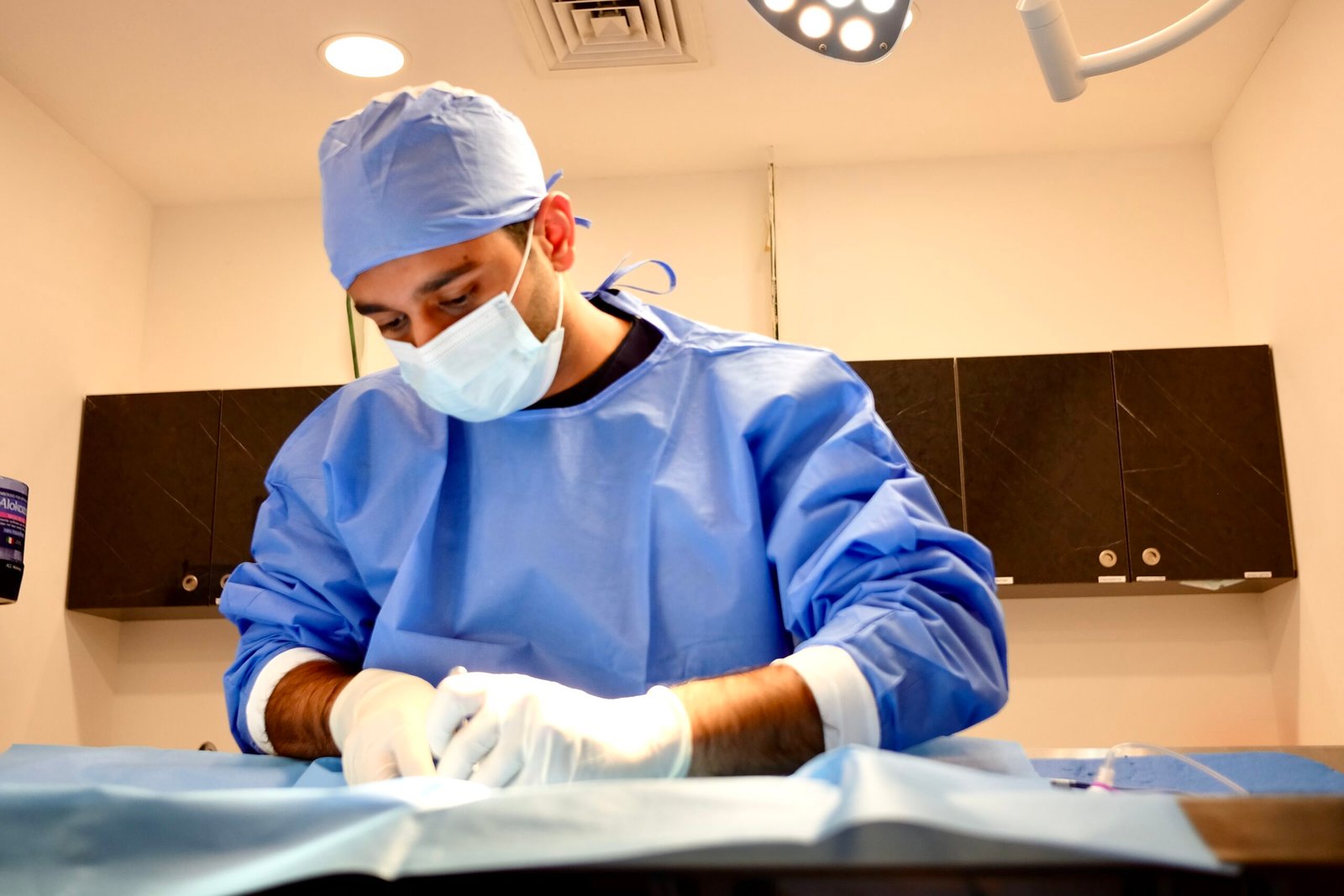
Once anaesthesia begins, the veterinary team continuously evaluates the patient. Depending on the case, monitoring can include heart rate and rhythm, respiratory rate, oxygen levels, blood pressure, body temperature, carbon dioxide and the depth of anaesthesia. Monitoring is not simply about watching a screen; trained staff interpret changes and adjust the anaesthetic plan as needed. Keeping a patient warm, maintaining an appropriate airway, managing fluids where indicated and providing pain control can also form part of peri-operative care. The exact approach depends on the procedure and individual patient.

What About Pain During and After Surgery?

Anaesthesia and pain management are related but not identical. A surgical patient may receive pain-relieving medication before, during and/or after a procedure based on the veterinarian’s plan. Good pain control supports comfort and can make the recovery period easier to manage. Once your pet goes home, use only medications that have been prescribed for that pet. Do not substitute human medication because several common human painkillers can be toxic to dogs or cats.

Waking Up: The Recovery Period

Recovery begins as the anaesthetic is reduced or stopped, but the patient still needs observation while normal awareness and reflexes return. Some pets are sleepy, vocal, restless or temporarily uncoordinated as they wake. The team monitors the patient and decides when it is appropriate to return home or whether further hospitalization is needed. When you collect your pet, ask when to offer food and water, how much activity is allowed, when the next medication is due, how to protect the surgical site and which signs should prompt a phone call or urgent assessment.

Questions Worth Asking Before Your Pet’s Procedure

Why is anaesthesia needed for this procedure?
Are any pre-anaesthetic tests recommended for my pet?
What fasting and medication instructions should I follow?
What should I expect when my pet wakes up?
Will my pet need to stay at the clinic after the procedure?
What pain relief and home care will be needed?
Who should I contact if I am concerned after discharge?

The Goal Is an Individual Plan, Not a One-Size-Fits-All Protocol

It is reasonable to feel nervous when your pet needs anaesthesia. The most helpful thing you can do is share a complete medical history, follow the preparation instructions and ask questions until you understand the plan. Your veterinary team can explain the risks and benefits in the context of your pet rather than relying on general information online. Creekside Veterinary Clinic provides surgical care in Dubai, including soft-tissue surgery, alongside hospitalization and post-operative support. If your pet has been advised to undergo a procedure, book a consultation to discuss the recommended treatment and anaesthetic plan with the veterinary team.
Remember, consistency and patience are key when litter training your cat. With the right setup and positive reinforcement, your cat will quickly adapt to using the litter box, ensuring a clean and comfortable environment for both of you.
Check Your Answers

Frequently Asked Questions

1
Is anaesthesia dangerous for an older dog or cat?

Age can influence anaesthetic planning, but age alone does not determine whether anaesthesia is appropriate. Overall health, diagnostic findings, the procedure and the expected benefit all matter. A veterinarian should assess the individual patient.

2
Why does my pet need blood tests before anaesthesia?

Pre-anaesthetic testing can provide information that may affect the anaesthetic or treatment plan. The tests recommended depend on the patient, procedure and clinical findings.

3
Why is my pet sleepy after anaesthesia?

Drowsiness can occur while anaesthetic and sedative drugs wear off. Follow the discharge guidance and contact your veterinarian if the level of sleepiness seems excessive, is worsening, or is accompanied by other concerning signs.

4
Can my pet drink water before surgery?

Do not assume. Food, water and medication instructions vary. Use the instructions given by your veterinary team for your pet’s procedure.

5
What if my pet eats before the scheduled procedure?

Tell the clinic before the procedure. The veterinary team can decide whether the plan or timing needs to change based on what was eaten, when it happened and the type of procedure.
Leave a Reply

Your email address will not be published. Required fields are marked *