Loading..

What to Expect Before and After Your Pet’s Surgery

What to Expect Before and After Your Pet’s Surgery

Hearing that your pet needs surgery can be unsettling. Even when a procedure is planned and routine, it is natural to wonder what will happen when you leave your pet at the clinic, how anaesthesia is managed, and what recovery will look like once your pet comes home. Knowing the usual stages of veterinary surgery can make the experience easier to navigate. Every procedure and every patient is different, but the journey generally begins well before the operation itself and continues through recovery at home.

Before Surgery: Assessment and Preparation

Before a procedure, your veterinary team will review your pet’s health, medical history, current medications and the reason surgery has been recommended. Depending on the pet and procedure, a physical examination and diagnostic testing may be advised to help the team plan anaesthesia and surgery appropriately. This is also the right time to tell your veterinarian about anything that has changed recently, including vomiting, diarrhoea, coughing, changes in appetite, unusual tiredness, previous reactions to medication or anaesthesia, and any medicines or supplements your pet receives. Follow fasting and medication instructions carefully You may be asked to withhold food for a specific period before anaesthesia. Water and medication instructions can vary, so do not rely on a general rule from the internet or from a previous procedure. Follow the instructions given for your individual pet. If your pet accidentally eats, receives a medication at the wrong time, or becomes unwell before admission, tell the clinic rather than withholding that information.

What Happens on the Day of Surgery?

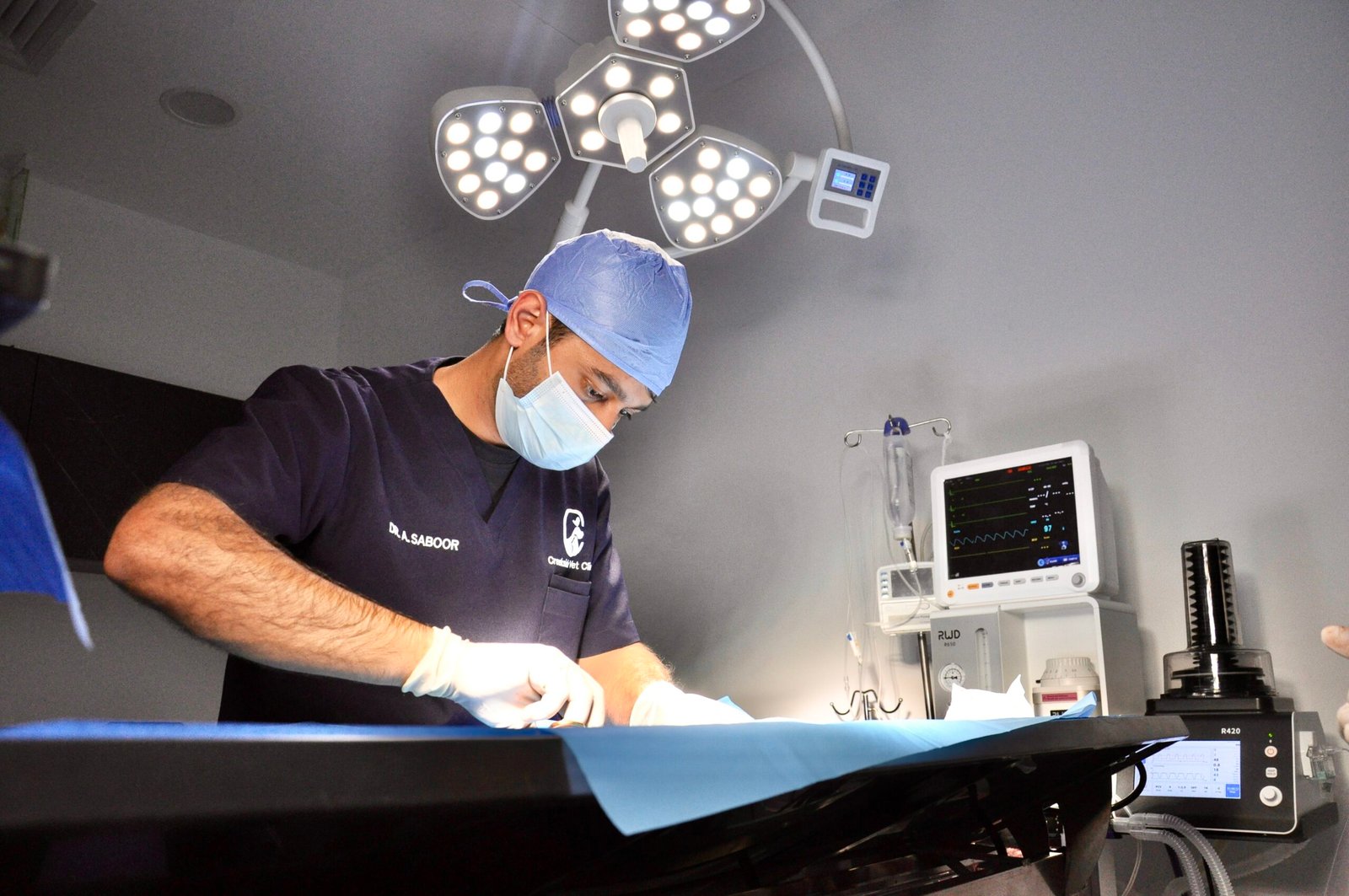
After admission, the veterinary team prepares your pet for the planned procedure. The exact steps depend on the operation, but preparation can include confirming the surgical plan, checking vital signs, placing an intravenous catheter when appropriate, preparing the surgical area and administering medications prescribed for anaesthesia and pain management. During anaesthesia, trained veterinary staff monitor the patient and respond to changes throughout the procedure. The type of monitoring used depends on the case and available equipment, but may include heart rate, breathing, oxygenation, blood pressure, temperature and other anaesthetic parameters. At Creekside Veterinary Clinic, soft-tissue surgical care includes procedures involving the skin, organs and other non-orthopaedic tissues, with anaesthesia protocols and post-operative support forming part of the surgical pathway. Your veterinarian will explain the specific procedure recommended for your pet.

Immediately After the Operation

Finishing the surgery is only one part of the process. Your pet then enters the recovery period, when the veterinary team continues to observe breathing, temperature, comfort, alertness and the surgical site as the effects of anaesthesia wear off. Some pets can go home later the same day. Others need longer observation or hospitalization because of the type of procedure, their underlying condition, pain-control needs or how they recover from anaesthesia. A pet who needs additional monitoring is not necessarily experiencing a complication; sometimes observation is simply the safest part of the planned recovery.

The First 24–48 Hours at Home

Your pet may be quieter or sleepier than usual after returning home. Appetite can also be different for a short period. The most important rule is to follow the discharge instructions provided for your pet, because feeding, activity and medication recommendations vary according to the operation. Set up a calm, clean recovery area where your pet can rest without jumping, rough play or unnecessary excitement. If an Elizabethan collar, recovery suit or other protective device has been prescribed, use it as instructed. Licking or chewing a surgical wound can damage sutures and introduce infection surprisingly quickly. Give medications exactly as prescribed Pain relief, antibiotics or other medicines may be prescribed depending on the case. Give only the medication and dose recommended by your veterinarian. Human painkillers and medicines left over from another pet can be dangerous and should not be given unless a veterinarian specifically instructs you to do so.

Caring for the Surgical Site

Check the incision as often as your discharge instructions recommend. A small amount of expected post-operative change can look different from one procedure to another, so ask the team what is normal for your pet before leaving the clinic. Contact your veterinarian if you notice concerning changes such as the wound opening, persistent or increasing bleeding, discharge, a bad smell, marked swelling, worsening redness, or your pet repeatedly interfering with the area. Unless your veterinary team has told you otherwise, keep the incision clean and dry and avoid bathing or swimming during the initial healing period.

Activity Restriction Matters More Than Many Owners Expect

A pet can feel better before the tissues have fully healed. That is why a dog that suddenly wants to run, jump or climb stairs may still need restricted activity. Cats may also need temporary limits on jumping onto furniture or high surfaces. Too much activity can place stress on healing tissue and, depending on the operation, can delay recovery or contribute to complications. Your veterinarian will tell you when normal walks, play and exercise can gradually resume. Follow-up visits may also be needed to assess healing or remove sutures when applicable.

When Should You Contact the Vet After Surgery?

Your discharge sheet should be your first reference because expected recovery varies by procedure. In general, seek veterinary advice promptly if your pet appears to be getting worse rather than gradually improving, seems severely distressed or painful, has repeated vomiting, develops breathing difficulty, collapses, has significant bleeding, cannot urinate, or if the surgical wound opens or develops concerning discharge. If something feels wrong after hours, it is safer to ask. Creekside provides 24/7 emergency veterinary care in Dubai for situations that require urgent assessment.

A Smooth Recovery Starts With Good Communication

Successful surgery is a team effort that continues after your pet leaves the operating theatre. Ask questions before discharge, keep the written instructions somewhere easy to find, give medications on schedule and attend recommended follow-up appointments. If you are unsure whether a change is normal, contact the veterinary team rather than guessing. If your pet has been advised to undergo surgery or you would like to discuss a surgical recommendation, contact Creekside Veterinary Clinic in Dubai to arrange a consultation with the veterinary team.
Remember, consistency and patience are key when litter training your cat. With the right setup and positive reinforcement, your cat will quickly adapt to using the litter box, ensuring a clean and comfortable environment for both of you.
Check Your Answers

Frequently Asked Questions

1
How long does it take a pet to recover from surgery?

There is no single recovery time. A minor procedure may have a shorter recovery period, while abdominal, emergency or more complex surgery can require considerably more time. Your veterinarian can give you a more useful timeline based on the exact procedure and your pet’s condition.

2
Can my pet eat after surgery?

Often, owners receive specific feeding instructions for the first evening and following days. Because nausea, procedure type and underlying illness can affect the plan, follow the discharge instructions rather than automatically offering a full normal meal.

3
Why does my pet need to wear a cone after surgery?

A cone or other protective device helps prevent licking, chewing and scratching at the surgical site. Even brief interference can damage healing tissue or sutures.

4
When can my dog go for normal walks again?

That depends on the procedure. Short controlled toilet walks may be allowed before unrestricted exercise. Follow the activity restrictions provided by your veterinary team.

5
What should I do if I am worried after my pet comes home?

Call your veterinary clinic and describe what you are seeing. For severe symptoms such as breathing difficulty, collapse, uncontrolled bleeding or another obvious emergency, seek urgent veterinary care.
Leave a Reply

Your email address will not be published. Required fields are marked *